Source Flat Back Hotfix Rhinestone Transfers for Bags, Hats, and Garments
Compare 30 listings of flat back hotfix rhinestone transfers suitable for bags, hats, and garments. Buyers can review specifications like material, shape, and application details to find the right decorative elements for their projects.
Key considerations
Products List







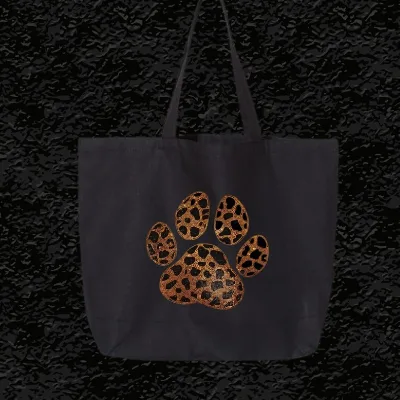
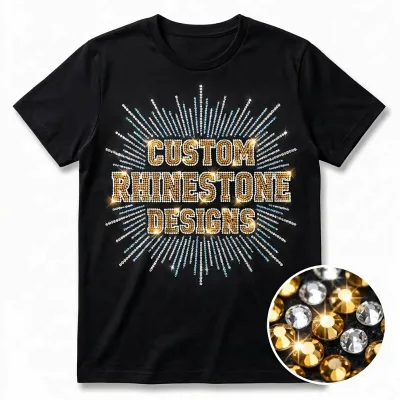
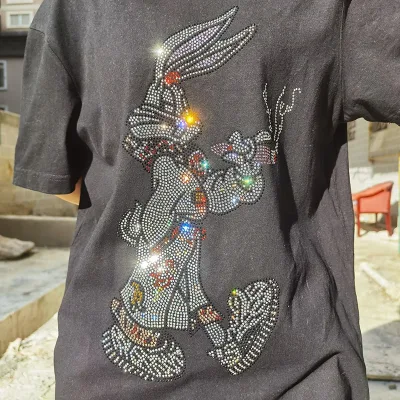





Comprehensive Sourcing Guide
Strategic Sourcing Guide for Flat Back Hotfix Rhinestone Transfers
The global market for flat back hotfix rhinestone transfers has expanded significantly, driven by demand in fashion customization, team apparel, and promotional merchandise. For procurement professionals, sourcing these decorative elements requires a nuanced understanding of material composition, adhesive technology, and supply chain logistics. Unlike loose stones, flat back transfers are pre-arranged on a carrier sheet, allowing for precise application via heat press. This guide synthesizes available market data to help buyers navigate the complexities of selecting the right supplier and product specifications without relying on unverified claims.
Technical Specifications and Material Composition
The foundational decision in sourcing flat back hotfix rhinestones involves selecting the correct material and shape. The market offers distinct variations, primarily categorized by the substrate material. Observations from current listings indicate a split between plastic and glass compositions. Plastic variants are often cited for their lightweight nature and cost-effectiveness, making them suitable for high-volume applications where durability is secondary to aesthetics. Conversely, glass options provide superior light refraction and a premium feel, though they may be heavier and more fragile during transit.
Shape is another critical technical variable. While round and diamond shapes are the most common, specific product lines feature unique geometries such as motif rhinestones or custom designs like eagles. The facet count also influences the visual impact; a 12-facet stone typically offers a balanced sparkle, whereas higher facet counts may increase brilliance but reduce structural integrity. The "flat back" designation is essential, as it ensures the stone adheres directly to the fabric surface without a protruding base, which is crucial for comfort in garments and shoes.
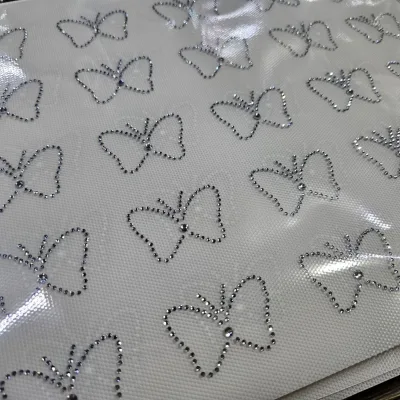
Furthermore, the size of the individual stones varies significantly across the supply base. Buyers may encounter specifications ranging from minute 1.5mm steel sheet-based transfers to larger 2mm or even 10-inch sheet dimensions. The carrier sheet size, often measured in inches (e.g., 9-10 inches or 30x30 cm), dictates the coverage area per unit. When evaluating technical data, procurement teams must verify that the "hot fix" adhesive is compatible with the intended application method, whether it is iron-on for small batches or machine-applied for industrial production.
Compliance, Certification, and Safety Standards
In the realm of decorative accessories, compliance is not merely a formality but a prerequisite for market access, particularly in regions with strict consumer safety regulations. While specific certification documents vary by supplier, buyers must prioritize products that demonstrate adherence to environmental and safety standards. One recurring attribute in the current market is the "Eco-Friendly" feature, which suggests the use of non-toxic adhesives or sustainable manufacturing processes. However, this claim requires verification through third-party testing reports rather than relying solely on supplier marketing.
Safety standards often focus on the chemical composition of the adhesive and the stone material itself. For products intended for children's clothing or items that will undergo frequent washing, compliance with standards regarding lead content, phthalates, and formaldehyde release is mandatory. Buyers should request Material Safety Data Sheets (MSDS) and specific test reports for the adhesive's thermal stability. The "Pressing Time" attribute, observed in some listings as 15-20 seconds, serves as a proxy for the adhesive's curing temperature. Deviations from recommended temperatures can lead to adhesive failure or fabric damage, underscoring the need for precise technical validation.
Additionally, the "OEM/ODM" capability of a supplier often implies a level of quality control infrastructure. Suppliers offering custom designs must demonstrate the ability to maintain consistency in color and adhesion across different batches. For international trade, verifying that the supplier's facility holds recognized management system certifications, such as ISO 9001, is a prudent step to ensure process reliability.
Cost Drivers and Pricing Dynamics
The pricing of flat back hotfix rhinestone transfers is influenced by a complex interplay of material costs, order volume, and customization requirements. The observed price range in the market spans from $0.12 to $20.00 USD, a variance that reflects differences in material quality, stone size, and order quantity. The lower end of the spectrum typically corresponds to plastic-based, standard-sized stones ordered in bulk, while the higher end reflects glass materials, intricate custom designs, or smaller sample quantities.
Minimum Order Quantity (MOQ) is a primary driver of unit cost. Current market data shows an MOQ range from 1 piece to 1000 pieces. Suppliers offering an MOQ of 10 pieces or even single items cater to prototyping and small business needs, though the per-unit cost will be higher. Conversely, bulk orders of 1000 pieces or more can significantly reduce the unit price, making them attractive for large-scale production runs. Buyers must calculate the total landed cost, including shipping and duties, as the "Single gross weight" of packages (ranging from 0.060 kg to 0.100 kg) affects freight charges.
Customization is another significant cost factor. Products with "Customized Design" or "OEM Acceptable" status often carry a premium due to the setup costs for creating new carrier sheets or molds. The "Sample time" of 5-7 days and the availability of "free sample" options can also impact the initial procurement timeline and budget. Buyers should weigh the cost of custom tooling against the long-term volume savings to determine the most economical sourcing strategy.
Typical Applications and Usage Scenarios
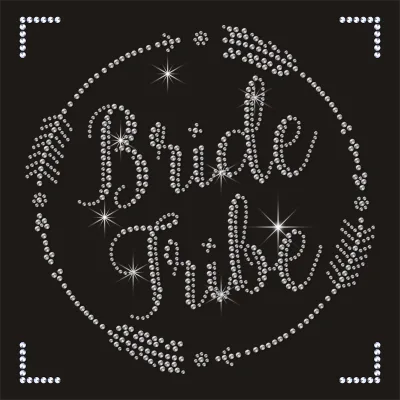
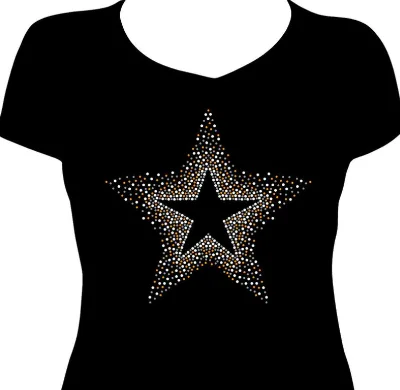
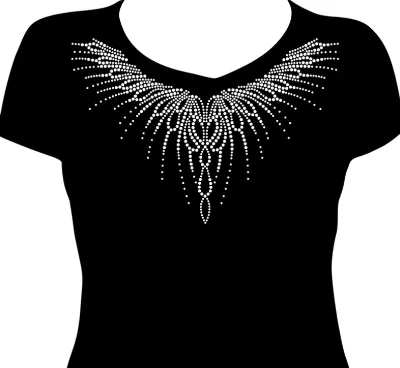
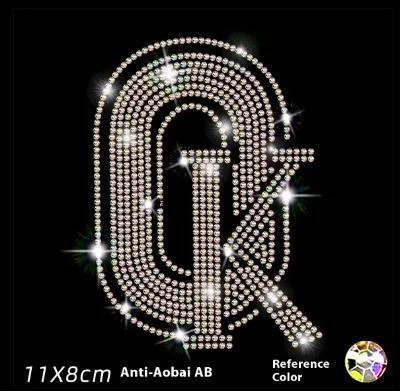
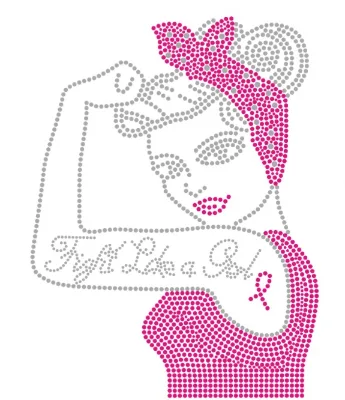
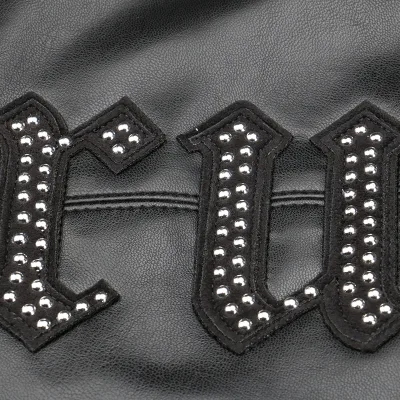
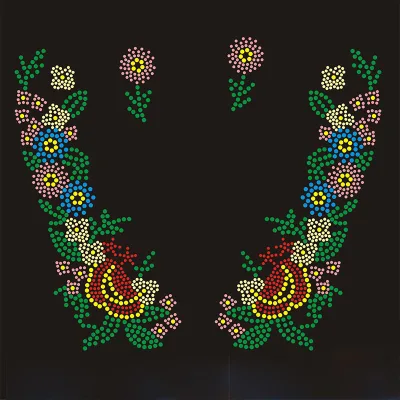
Flat back hotfix rhinestone transfers are versatile decorative elements used across a wide array of industries. The primary application areas identified in the market include garments, bags, hats, and shoes. The "Application" attribute frequently lists these categories, indicating a broad utility in fashion and accessory manufacturing. For instance, "Motif Rhinestones" and "Clothing Accessories" are specifically noted for use in creating bling transfer designs, which are popular in streetwear and performance apparel.
Specific use cases also include cheerleading uniforms, where "transfer cheer rhinestones" are utilized for their durability and visual impact. The "Iron-On" style is particularly relevant for these applications, as it allows for quick application on complex fabric shapes. Additionally, the "3D" feature observed in some product listings suggests applications where depth and texture are desired, adding a tactile element to the design.
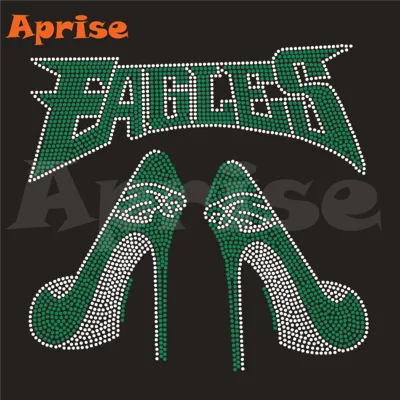
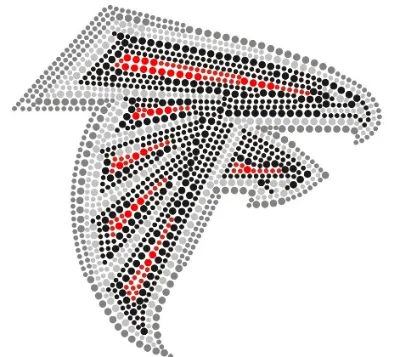
The versatility extends to promotional items and corporate branding. The ability to create custom logos, such as the "eagle hot fix rhinestone transfer" noted in market data, makes these products ideal for team merchandise and corporate gifts. The "Style" attribute, ranging from "Classic" to "Flatback," allows designers to match the aesthetic of the product with the brand identity. Whether for a high-fashion runway show or a local sports team, the adaptability of these transfers makes them a staple in the decorative accessories supply chain.
Supplier Evaluation and Selection Criteria
Selecting the right supplier requires a rigorous evaluation process that goes beyond price comparison. Key criteria include the supplier's location, lead time capabilities, and responsiveness to customization requests. The "Place of Origin" is a significant indicator of supply chain logistics; major production hubs like Liaoning and Guangdong in China are known for their manufacturing capabilities in this sector. Buyers should verify the specific origin to assess shipping times and potential tariff implications.
Lead time is another critical factor. The market offers "7 days sample order lead time" and general sample times of 5-7 days. For production orders, the ability to meet tight deadlines is essential. Suppliers that support "OEM Service" and "Customized Design" often have more flexible production lines, but buyers must confirm their capacity to handle rush orders. The "Single package size" and weight data provided by suppliers help in planning logistics and warehousing, ensuring that the supply chain can accommodate the physical dimensions of the product.
Reputation and reliability are best assessed through the supplier's history of handling samples and their willingness to provide "free sample" options. A supplier that readily provides samples demonstrates confidence in their product quality. Furthermore, the "Brand Name" associated with the product, such as T&J or Joy Leathers, can indicate a level of established market presence, though buyers should remain cautious of generic branding that may mask the actual manufacturer.
Quality Control and Long-Term Procurement
Maintaining quality consistency is paramount in long-term procurement relationships. The "Feature" attribute, such as "Eco-Friendly" or "3D," must be consistently met across all production batches. Quality control measures should include visual inspections for stone alignment, adhesive coverage, and carrier sheet integrity. Buyers should establish clear acceptance criteria for the "Shape" and "Color" attributes, ensuring that the "White" or other specified colors match the approved samples exactly.
Long-term considerations involve building a relationship with suppliers who can scale with demand. The "Selling Units" attribute, often listed as "Single item," suggests that suppliers are equipped to handle both small and large orders. However, for sustained growth, buyers should negotiate contracts that guarantee consistent pricing and lead times. The "MOQ" flexibility is also a key negotiation point; suppliers who can accommodate lower MOQs for initial trials and higher volumes for production runs offer greater strategic value.
Finally, buyers should implement a robust quality assurance protocol that includes periodic testing of the "Pressing Time" and adhesion strength. This ensures that the transfers remain effective under various washing and wear conditions. By focusing on these technical and logistical aspects, procurement professionals can secure a reliable supply of flat back hotfix rhinestone transfers that meet both aesthetic and functional requirements.
FAQs
What materials are used for flat back hotfix rhinestone transfers?
These transfers are primarily made from plastic or glass. Plastic variants offer a lightweight and cost-effective solution, while glass options provide superior light refraction and a premium feel for high-end applications.
Which shapes are available for these rhinestone transfers?
Common shapes include round, diamond, and motif designs. Specific listings also feature unique geometries like eagle shapes, allowing buyers to select the form that best fits their custom design requirements.
Can I get a sample order for flat back hotfix rhinestone transfers?
Yes, sample orders are supported with a lead time of 5 to 7 days. Some suppliers offer free samples, while others may have a minimum order quantity of 10 pieces for initial testing.
How long does it take to press these transfers onto fabric?
The recommended pressing time is typically between 15 and 20 seconds. This duration ensures the hot fix adhesive cures properly without damaging the fabric or compromising the stone's adhesion strength.
What is the minimum order quantity for these transfers?
The minimum order quantity ranges from 1 piece to 1000 pieces depending on the supplier. Some vendors accept orders as low as 10 pieces, while bulk pricing often requires higher volume commitments.
Where are these products typically manufactured?
Major production hubs are located in Liaoning and Guangdong, China. Buyers should verify the specific place of origin to assess shipping times and potential tariff implications for their region.
Are these transfers suitable for custom designs and branding?
Yes, many suppliers accept OEM and ODM services for customized designs. This allows for the creation of specific logos, such as eagle motifs, tailored to corporate branding or team apparel needs.